A Practical Guide for Homes With Dogs and Cats
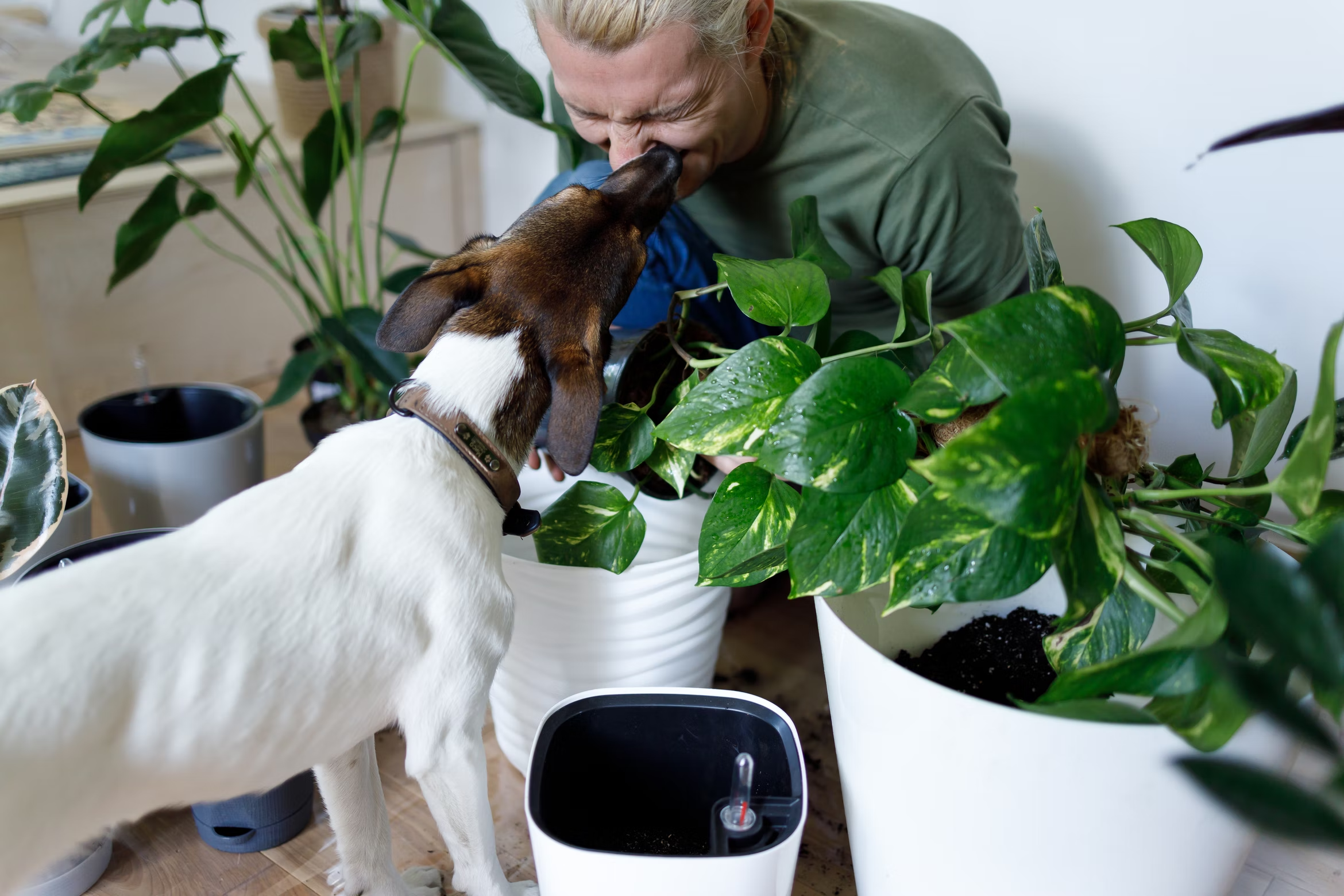
Bringing plants indoors is often about more than aesthetics. For households with dogs or cats, it’s also about safety.
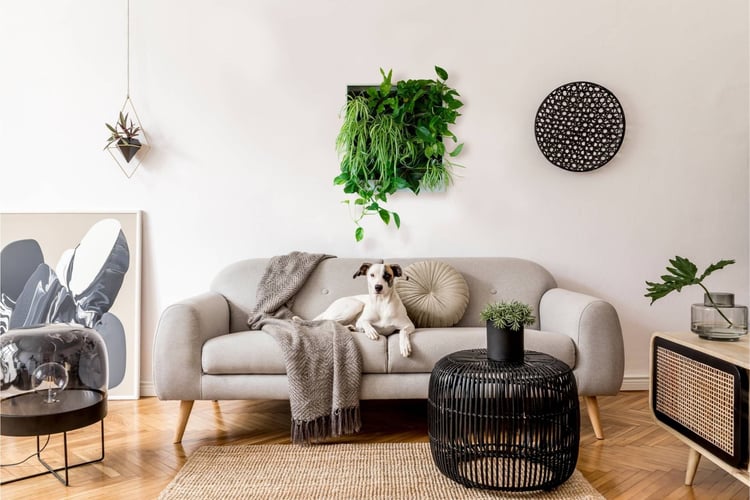
Indoor green walls have become increasingly popular for improving air quality, reducing noise, and adding a sense of calm to living spaces. But when pets are part of the home, plant selection requires extra care. Some common houseplants can cause mild irritation, while others may lead to serious health issues if ingested by curious pets.
This guide walks through how to think about pet safety when designing or maintaining an indoor green wall without sacrificing beauty or functionality.
Why Green Walls Require Extra Attention in Pet-Friendly Homes
Unlike single potted plants placed on shelves, green walls introduce multiple plants at varying heights, often within easy reach of pets. Cats may climb or nibble leaves, while dogs can brush against foliage or ingest fallen plant material.
Because of this structure, a plant that might be “safe enough” in a hanging pot can become problematic when integrated into a wall system. Pet safety isn’t just about toxicity it’s also about access, plant debris, and how pets interact with their environment.
Understanding What “Pet-Safe” Really Means
The term pet-safe can be misleading. It usually means a plant is non-toxic, not that it’s entirely risk-free.
Even non-toxic plants can:
-
Cause digestive upset if eaten in large quantities
-
Trigger allergic reactions in sensitive animals
-
Become choking hazards if leaves or stems break off
A thoughtful approach considers both toxicity levels and how the plant behaves in a living space.
Characteristics of Good Plants for Pet-Friendly Green Walls
When choosing plants for a green wall in a home with pets, professionals typically prioritize plants that share these traits:
-
Non-toxic to cats and dogs
-
Durable leaves that don’t easily snap or shed
-
Low sap production, reducing skin or mouth irritation
-
Slow growth, limiting loose debris
-
Minimal scent, as strong aromas can irritate pets
Plants with soft textures, mild foliage, and stable root systems tend to be the safest options.
Commonly Used Pet-Safe Plants for Indoor Green Walls
While no plant is completely “pet-proof,” the following are widely considered suitable for homes with cats and dogs when properly maintained:
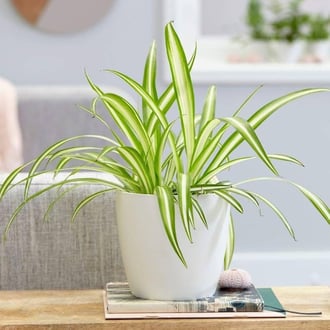
Spider Plant (Chlorophytum comosum)
Often used in green walls for its adaptability and air-purifying qualities. While non-toxic, some cats are particularly attracted to it, so placement higher on the wall is recommended.
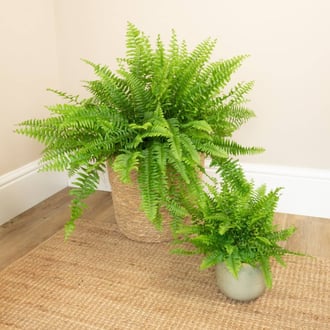
Boston Fern (Nephrolepis exaltata)
A classic choice with soft, arching fronds. It’s non-toxic and visually effective, though it requires consistent humidity.
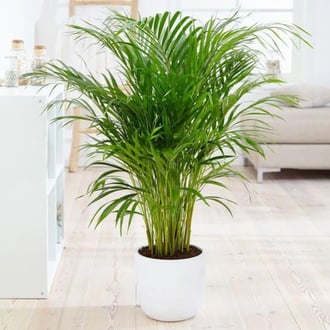
Areca Palm (Dypsis lutescens)
Popular for adding height and texture, this palm is non-toxic and works well in modular green wall systems with adequate light.
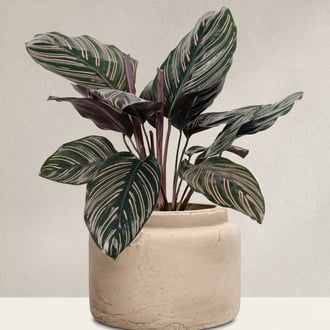
Calathea Varieties
Known for their patterned leaves, Calatheas are non-toxic and well-suited for indoor environments, though they prefer stable conditions.
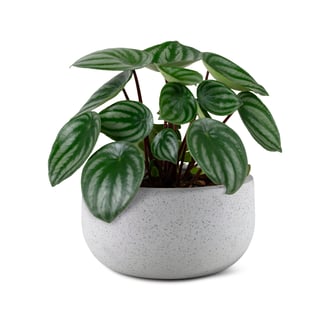
Peperomia
Compact, sturdy, and low-maintenance, Peperomia varieties are often chosen for pet-friendly interiors due to their resilience and safety profile.
Plants That Are Best Avoided
Some plants are frequently used in interior design but pose risks to pets and are generally avoided in pet-friendly green walls:
-
Philodendron
-
Pothos (Devil’s Ivy)
-
Snake Plant
-
Peace Lily
-
English Ivy
Even when positioned higher up, these plants can still shed leaves or sap, which pets may ingest.
Design Strategies That Reduce Risk
Plant choice is only one part of a safe setup. Design decisions matter just as much.
-
Place more delicate plants higher in the wall structure
-
Avoid trailing plants that hang within reach
-
Ensure secure mounting, preventing pots or panels from loosening
-
Regularly remove fallen leaves from the surrounding area
Professional green wall installers often factor in household dynamics-including pets when planning layouts.
Ongoing Maintenance and Observation
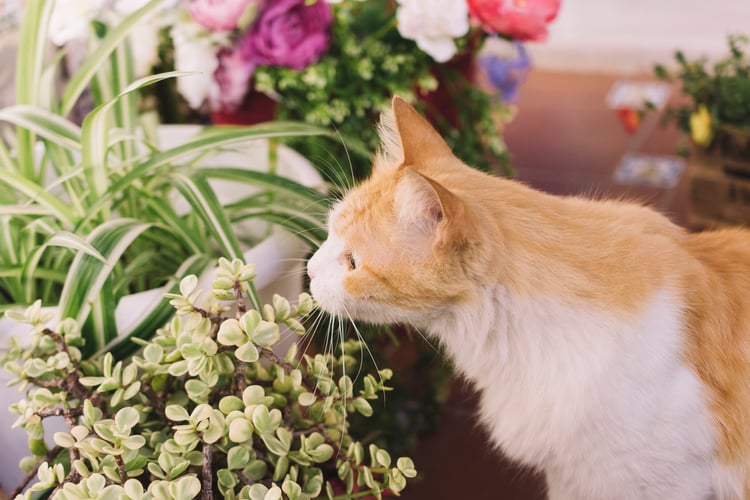
Pet behavior can change over time. A plant that’s ignored for months may suddenly become interesting.
Good practice includes:
-
Monitoring pets after introducing new plants
-
Checking for bite marks or chewed leaves
-
Consulting a vet if unusual symptoms appear
Some pet-focused resources, such as GoEcoPaw, also provide ongoing guidance on plant safety and household hazards, which can be helpful when making adjustments over time.
A Responsible Balance Between Design and Care
Indoor green walls can absolutely coexist with pets when designed thoughtfully. The goal isn’t to create a sterile environment it’s to balance aesthetics, wellbeing, and responsibility.
By choosing appropriate plants, designing with access in mind, and staying attentive to how pets interact with their surroundings, homeowners can enjoy the benefits of green walls without unnecessary risk.
A beautiful home should also be a safe one-for everyone living in it.