What is a Green Wall, Living Wall, or Vertical Garden?
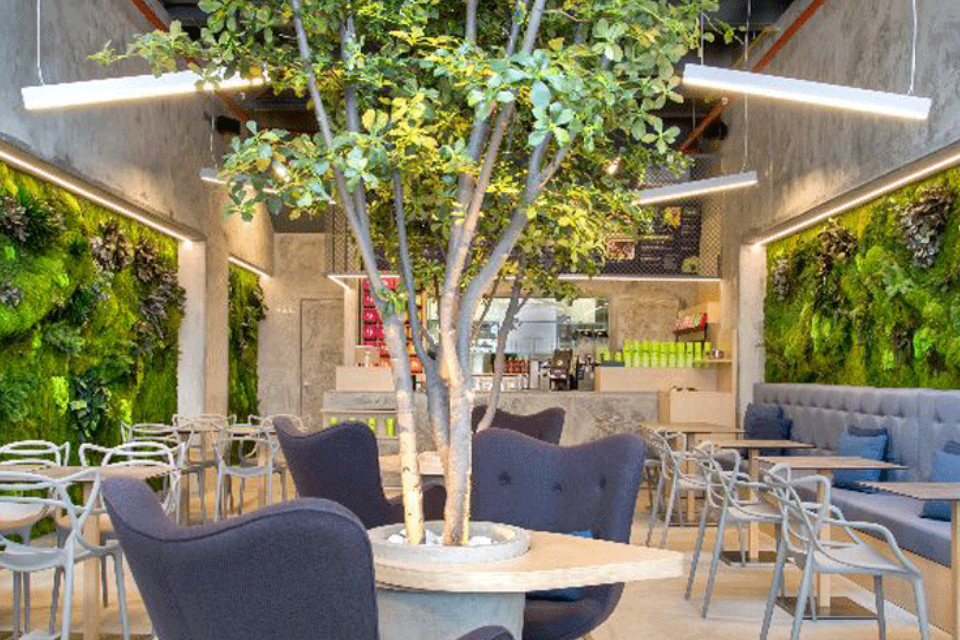
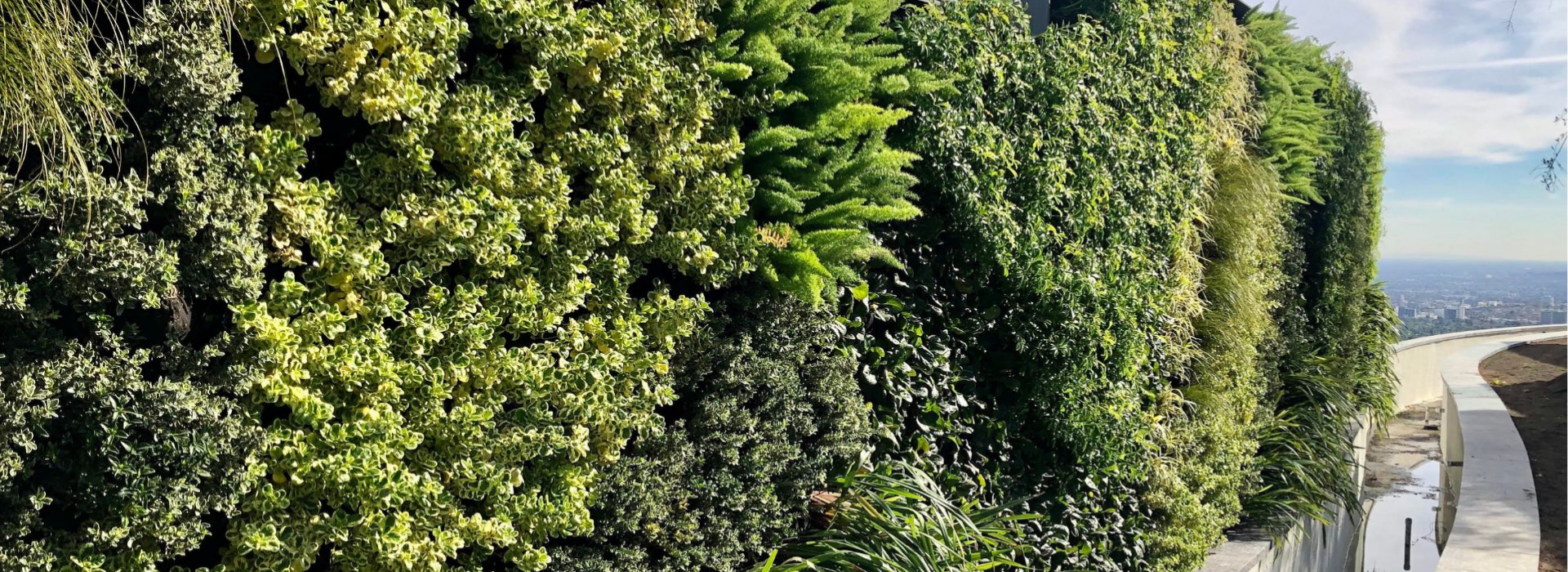
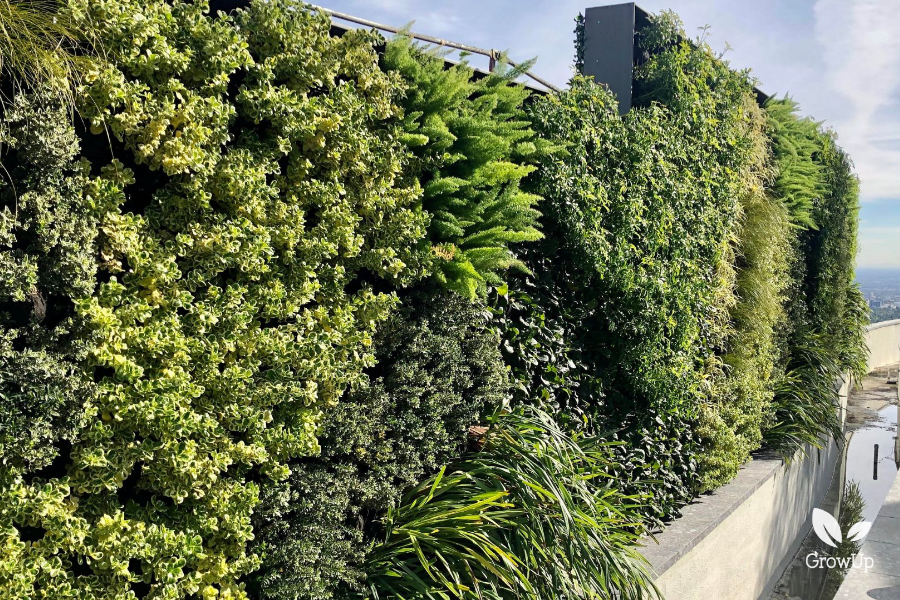
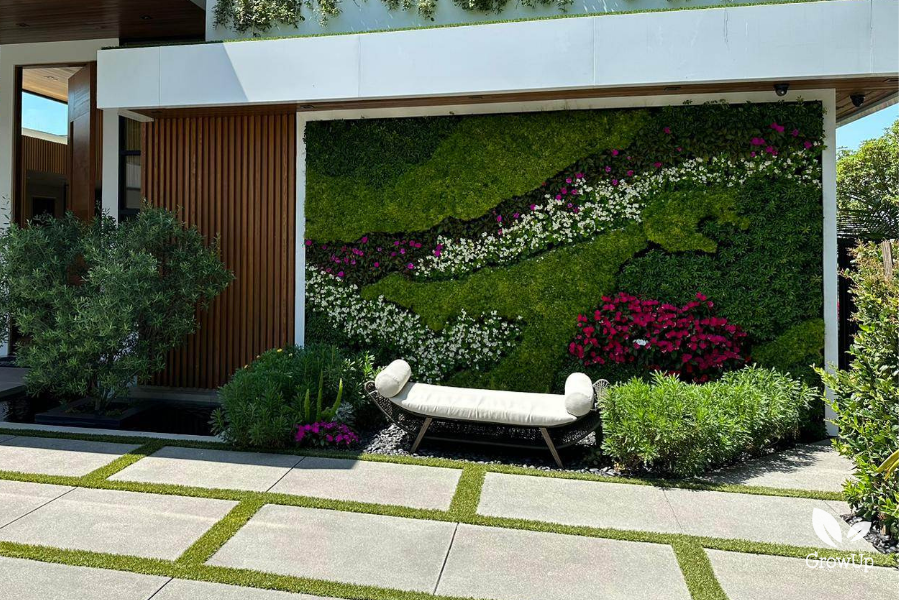
A green wall, also known as a living wall, vertical garden, plant wall, or wall garden, is a self-sufficient vertical planting system attached to the interior or exterior of a building.
Unlike traditional landscaping, these systems allow plants to grow vertically, with their roots embedded in a structural support that is fixed to the wall.
Green Walls vs Green Façades
While often confused, green walls and green façades are fundamentally different:
- Green Walls or Living Walls
Plants grow within a structural system attached to the wall. Water and nutrients are delivered internally through irrigation systems. - Green Façades
Plants grow from the ground and climb upward using a support structure such as a trellis.
Types of Green Wall Systems
Living wall systems vary widely depending on their structure, irrigation method, and application. Understanding these systems is key to choosing the right solution.
Hydroponic Systems
Fixed Hydroponic
A permanently installed system where plants grow directly in a fixed structure using water-based nutrients instead of soil.
Bio-filtration Hydroponic
Designed to improve indoor air quality, these systems filter air through plant roots and growing media.
Modular Hydroponic
Pre-grown panels or modules are installed onto a framework, allowing for easier replacement and maintenance.
Engineered and Structural Systems
Engineered Modular
Highly customizable systems designed for durability and scalability, often used in large commercial installations.
Retaining Walls
Structural walls that incorporate planting systems while also serving a load-bearing purpose.
Display and Interior Systems
Vertical Display
Primarily aesthetic installations used indoors, often with flexible design layouts.
Container Systems
Plants are placed into containers or pockets mounted onto a vertical surface.
Support-Based Systems
Trellised Systems
Plants grow from the ground and are trained upward along a trellis structure.
Non-Living Alternatives
Preserved Moss and Faux Walls
Ideal for low-maintenance environments, preserved moss is attached to a substrate and requires no watering, light, or ongoing care.
Green Wall Construction Methods
Different construction methods define how plants are installed within a system, and each one influences maintenance, plant selection, and overall design flexibility. While some systems are highly engineered for performance, others offer simpler, more decorative solutions.
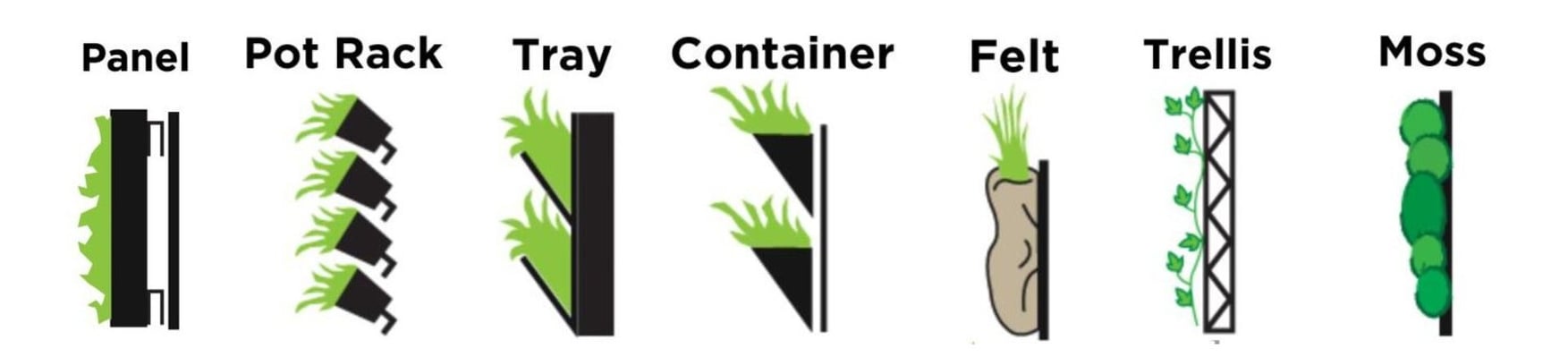
Panel or Module
In panel systems, plants are removed from their pots and integrated directly into pre-grown panels. These panels are then mounted onto the wall, creating a seamless and dense green surface. This method is commonly used in modular hydroponic systems.
Pot Rack
A variation of tray-based systems, pot racks hold individual potted plants within a structured frame. This allows for easy plant replacement and flexibility, making it a practical option for spaces that require frequent updates.
Tray System
Tray systems are designed to hold potted plants while also managing water distribution. They provide a balance between structure and accessibility, often used in commercial applications where maintenance efficiency is important.
Container or Pouch System
In this system, plants are removed from their pots and placed into fabric pockets or containers. This creates a softer, more organic look and is often used in interior feature walls.
Felt System
Plants are inserted into openings cut into a continuous piece of fabric. This lightweight system allows roots to grow within the felt, making it a popular choice for hydroponic applications and artistic installations.
Trellis System
Unlike other systems, trellis setups rely on plants that are rooted in the ground. These plants are trained to grow upward along a support structure, creating a more natural and evolving façade over time.
Moss System
Preserved moss is attached to a backing substrate to create a green wall effect without the need for irrigation or light. This is an ideal solution for low-maintenance environments or spaces where live plants are not feasible.
Basic Components of a Living Wall
Every successful living wall relies on a combination of key components:
Planting Media
- Soil-based systems
- Hydroponic or soilless systems
Irrigation
- Constant irrigation
- Hand watering
- Drip irrigation systems
Structural Support
- Attached directly to the wall
- Mounted onto a support grid
Drainage
- Catch basins
- Gutters
- Base plantings
Benefits of Green Walls
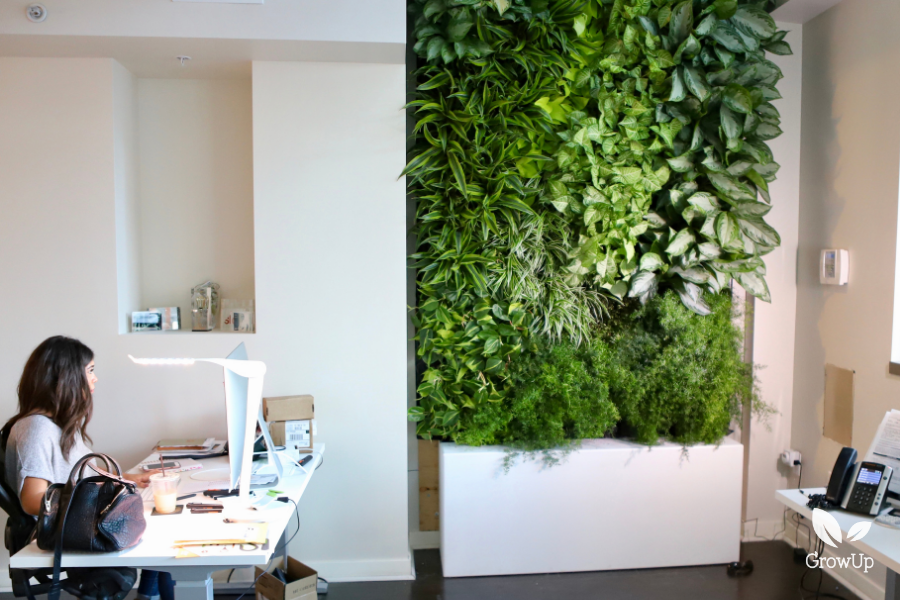
Living walls offer more than visual appeal. They actively improve how a space functions, feels, and performs over time. By integrating natural elements into vertical surfaces, they bring both environmental and human-centered benefits into the built environment.
- Enhances ambience and spatial experience
- Provides natural air filtration and VOC removal
- Improves sound insulation
- Supports thermal regulation
- Reduces heat island effect
- Maximizes use of vertical space
Living Wall Performance Benefits
- Enhances ambience and overall experience
- Provides natural air filtration and VOC removal
- Improves sound insulation
- Supports thermal regulation
- Reduces heat island effect
- Maximises use of vertical space
See How a Living Wall System Works in Practice
Understanding the benefits of living walls is one thing, but seeing how they come together in a real project brings those advantages to life.
From design intent to installation and long-term impact, real-world applications show how living wall systems can transform a space both visually and functionally. They highlight how factors like plant selection, irrigation, and structural design are carefully considered to achieve both aesthetic and performance goals.
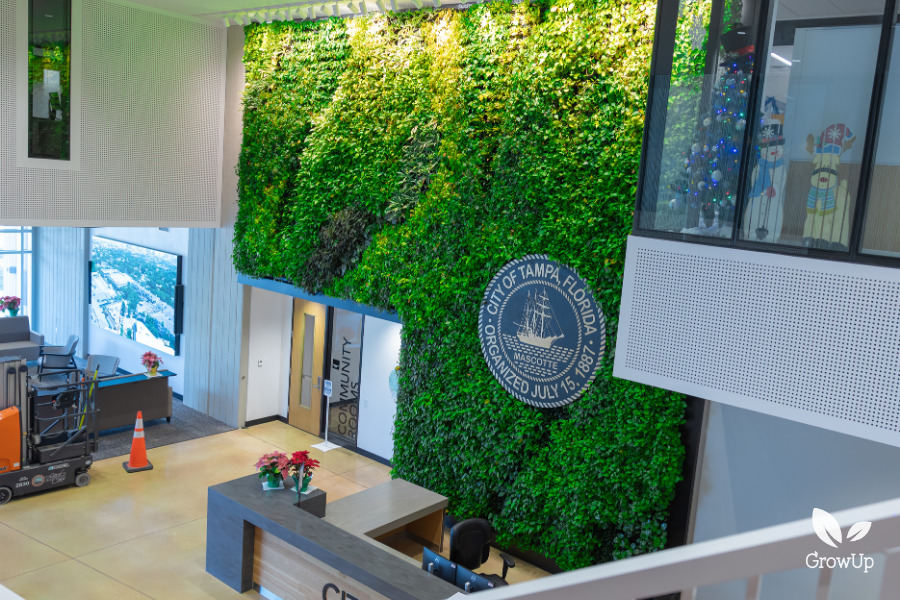
A great example of this is the Tampa City Center project, where a living wall was used to enhance the environment while supporting wellbeing and biophilic design principles.
Living Walls Benefits Across Different Industries
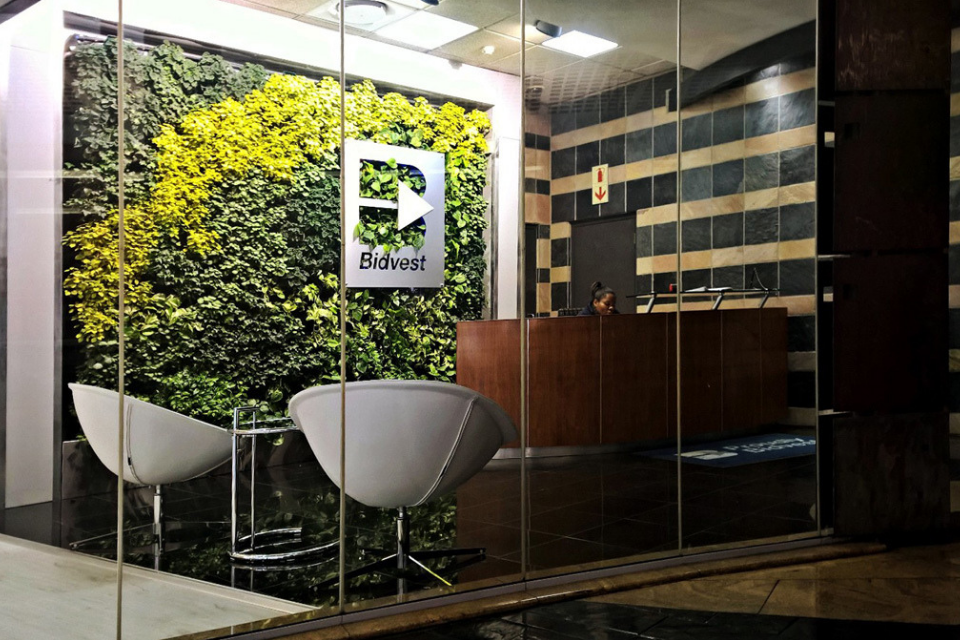
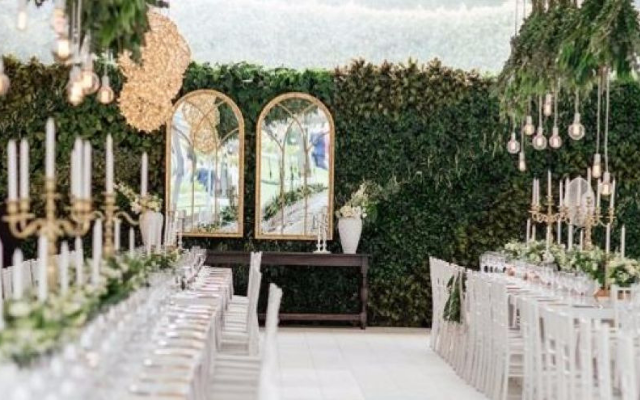
The impact of living walls can vary depending on the environment, but their core benefits remain consistent. In commercial offices, they support employee wellbeing, productivity, and air quality. In hospitality and retail spaces, they create memorable, immersive experiences that strengthen brand identity and customer engagement.
In healthcare and wellness environments, living walls contribute to stress reduction and recovery by introducing calming, natural elements. In educational spaces, they can serve both as a design feature and a learning tool, reinforcing sustainability and environmental awareness.
Across all industries, living walls help bridge the gap between built and natural environments, creating spaces that feel more human, more engaging, and more connected to nature.
Final Thoughts
Living walls are a powerful design solution that brings together architecture, nature, and human wellbeing.
Whether the goal is aesthetics, sustainability, or performance, understanding the different systems and design fundamentals allows for the creation of spaces that are both visually striking and highly functional.