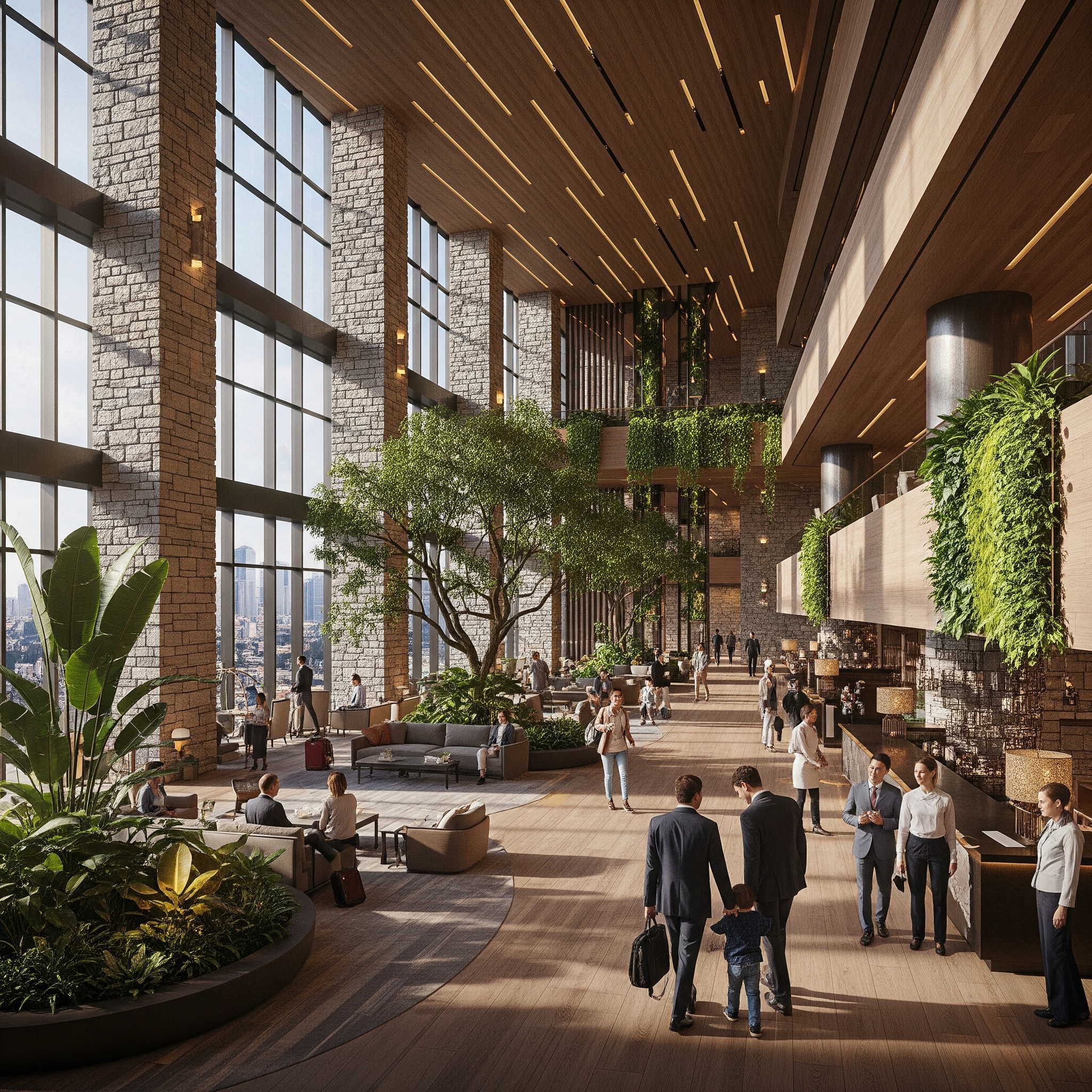
As we move into 2026, one thing is clear: biophilic design is no longer a “nice-to-have.” It is becoming one of the core pillars shaping how architects, designers, and developers approach new spaces. With wellness now central to user experience, the demand for environments that feel uplifting, natural, and regenerative is accelerating across industries; from workplaces and hospitality to residential, education, and healthcare.
In 2025, we saw a surge in retrofits where greenery was not just added as a single feature but was used to transform entire spaces into cohesive biophilic environments.
%20(2).jpg)
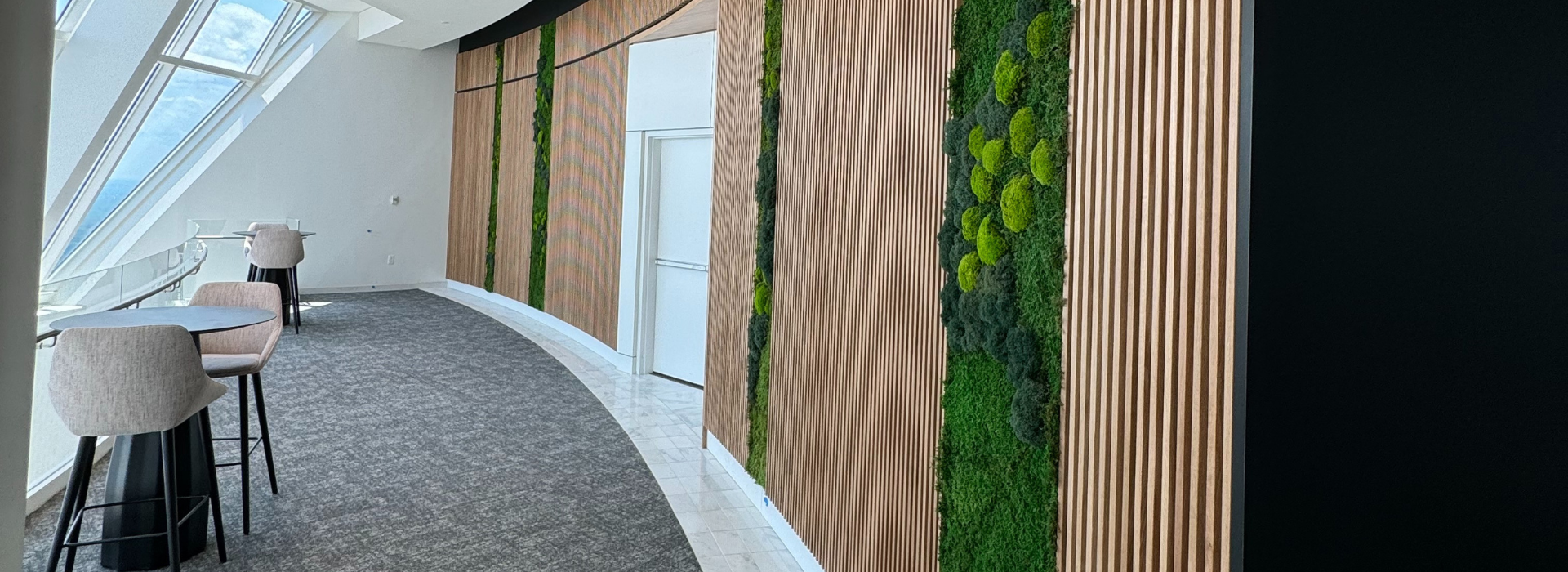
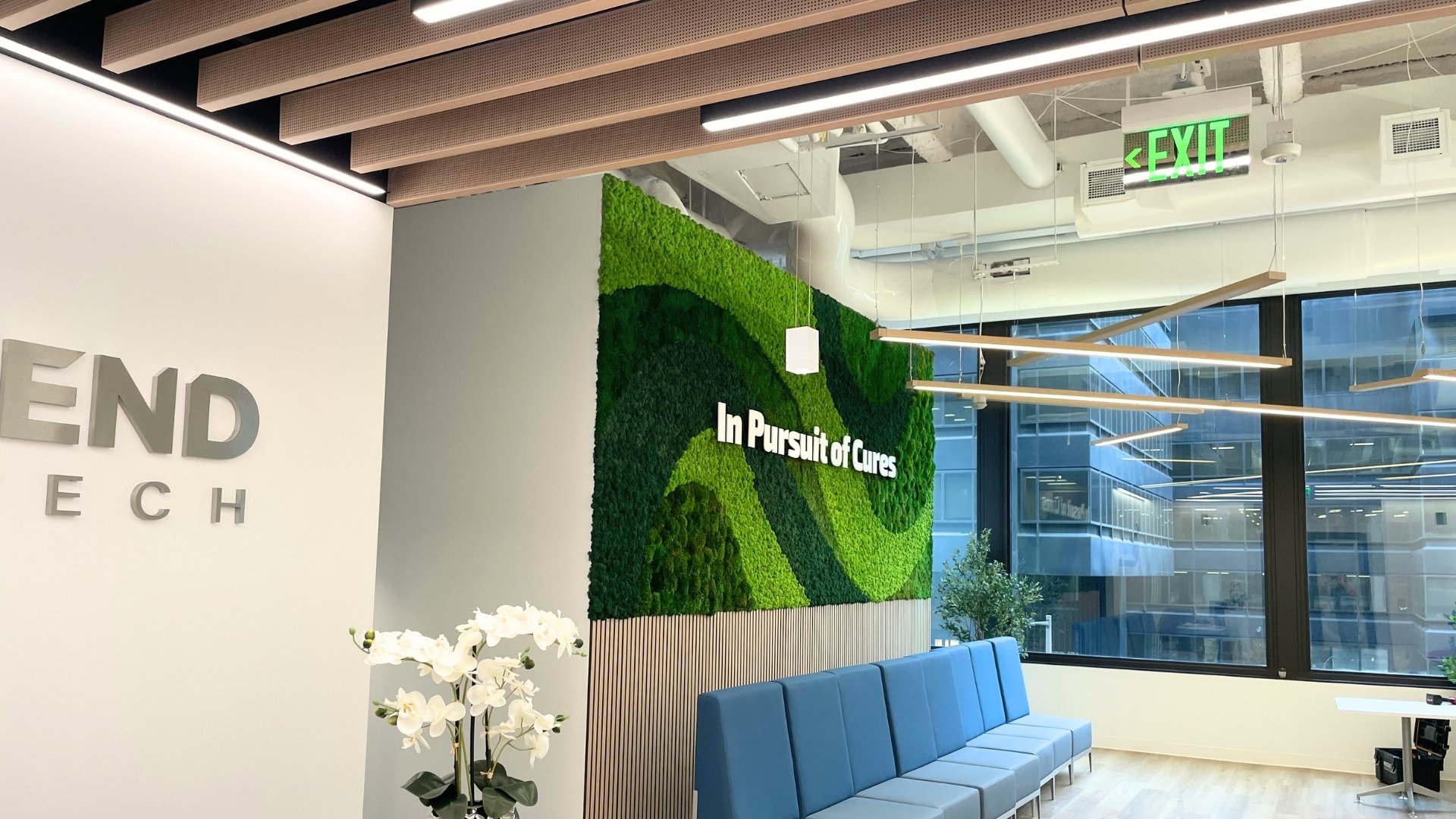
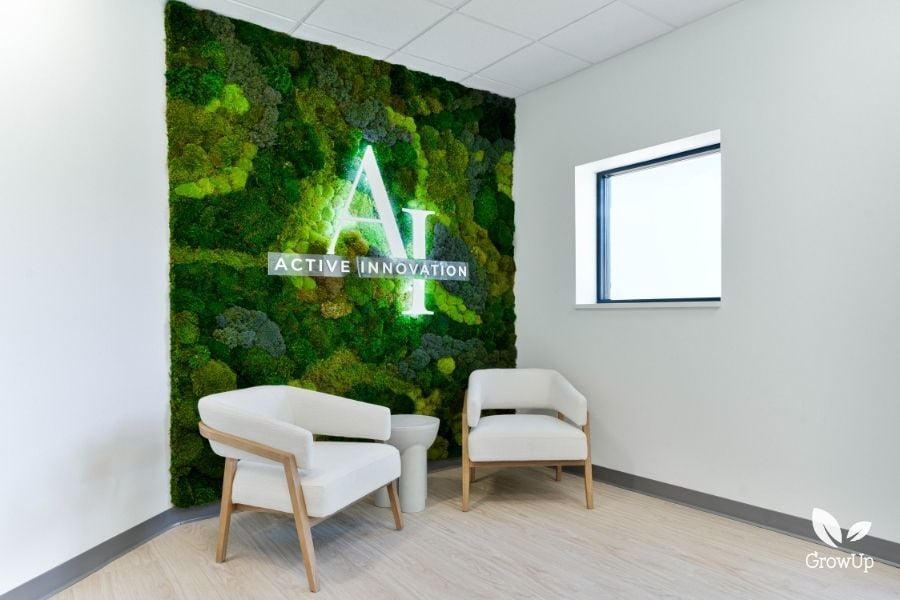
A strong example of this approach is the Legend Biotech headquarters in Philadelphia, where an existing workplace environment was revitalised with integrated moss feature walls, conference room value walls, tabletop greenery, and greenwall units between office windows. These elements worked together to soften visuals, reinforce company values, and bring warmth and natural presence into a space that previously lacked meaningful connection to nature. You can explore the full case study to see how this retrofit balanced design impact with low-maintenance execution.
Below are the major biophilic and human-centered design trends that will define 2026 and how designers can stay ahead of the curve.
1. Concept-Phase Biophilia: Built-In, Not Bolted-On
2026 marks the year biophilic design moves from accessory to architecture.
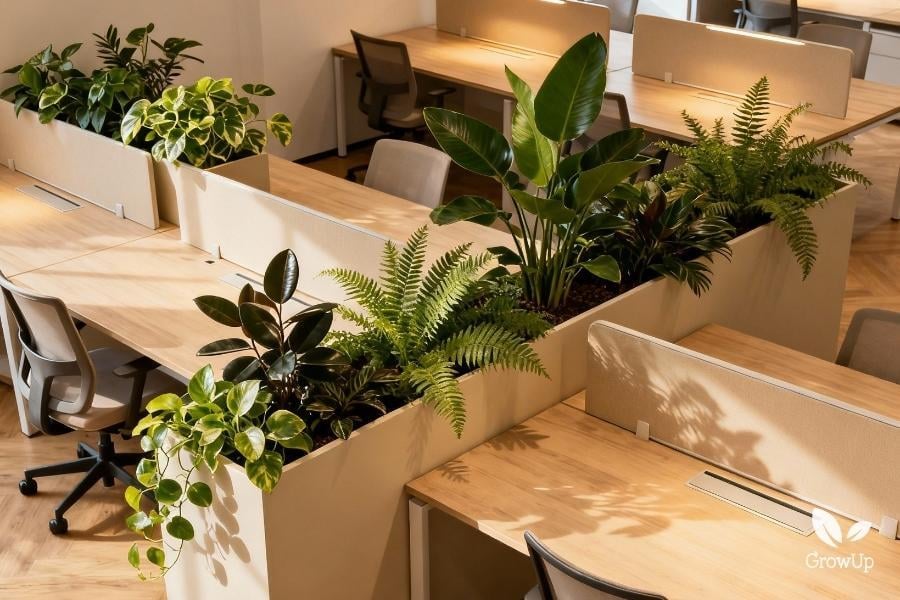
For years, greenery was treated as an add-on: a greenwall installed at the end of a project or pots placed after handover. In 2026, biophilia begins at the concept phase, embedded into the structure, orientation, materials, lighting, and spatial intent of the build.
Expect to see:
- Floor plans shaped around daylight flow
- Fully integrated plant systems integrated into the structure of the build, rather than attached post-build
- Organic materials selected from the start
- Immersive greenery zones baked into the layout
- Natural textures and color palettes forming the foundation of the interior concept
This shift is driven by client demand for design that feels cohesive and purposeful, not decorative.
2. Full-Space Biophilic Fit-Outs Replace Isolated Elements
Clients no longer want a potted plant for every corner. They want spaces that feel alive.
From corporate offices to hospitality, brands now understand that a single feature cannot deliver the wellness, experiential, or sustainability benefits they’re aiming for. In 2026, holistic biophilic fit-outs will become the new standard.
This includes:
- Layered greenery (living, moss, or faux) working together
- Natural materials and organic textures across surfaces
- Biophilic lighting strategies that mimic natural rhythm
- Wayfinding inspired by natural flow patterns
- Calming spatial acoustics driven by natural elements
Holistic design delivers measurable wellness outcomes, but it also delivers recognizable design identity; a major driver in corporate, hospitality, and residential sectors. For guidance on creating cohesive, full-space biophilic environments, our Biophilic Design Rulebook is available to download here.
3. Human-Centred Design Evolves Into Sensory-Centered Design
Human-centered design is expanding from functional and emotional needs to sensory wellness.
People want spaces that make them feel grounded, energized, focused, or calm. As a result, 2026 will see design that intentionally targets:
- Visual comfort: softened light, natural movement, warm materials
- Acoustic calm: sound-absorbing greenery and biomorphic forms
- Tactile richness: natural finishes that create grounding sensory cues
- Emotional restoration: spaces that evoke warmth, softness, and safety
Biophilia solves for all four.
Research shows that natural elements trigger neurological responses that reduce stress and support cognitive function, making biophilia a direct tool for wellbeing.
4. Nature-Tech Integration Becomes Mainstream
2026 will see a fusion between natural aesthetics and advanced building technology.
Key emerging integrations include:
- AI-driven lighting systems that track circadian needs
- Smart irrigation and health monitoring for living walls
- Sustainable material innovation, including bio-based composites
- Interactive green installations responding to touch or movement
Rather than replacing human creativity, technology is being used to enhance natural immersion, offering designers new ways to scale green solutions without compromising authenticity.
5. Urban Regeneration & Nature-Integrated Architecture
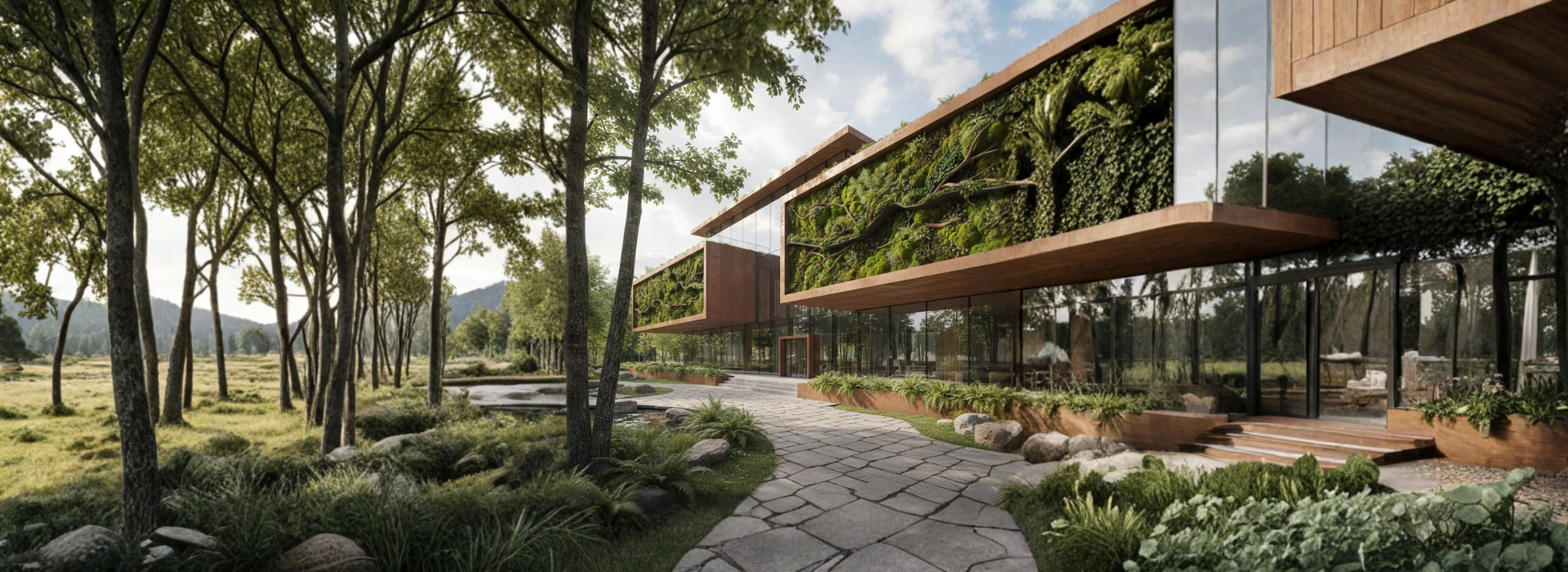
Architectural forecasts for 2026 highlight a shift toward buildings that blend into urban ecosystems instead of disrupting them.
Look for:
- Green corridors in mixed-use developments
- Rooftop ecosystems that support biodiversity
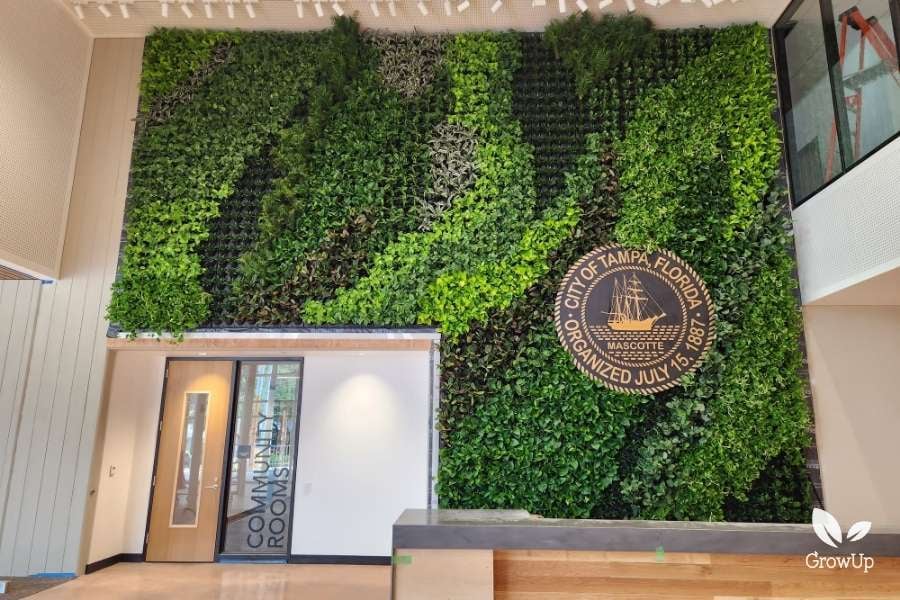
- Façade greening and vertical forests
- Courtyards designed as micro-habitats
- Public-use green terraces
Cities are moving from grey to green, and biophilic architecture is becoming a key differentiator for future-forward developers.
6. Wellness as a Key Performance Indicator (KPI): Measuring Impact Becomes Standard
Wellness metrics are no longer vague. Organizations are actively seeking:
- Enhanced productivity
- Improved mood and reduced stress
- Attraction and retention of talent
- Stronger brand identity
- Visitor and customer experience metrics
Biophilic design delivers measurable returns, and in 2026, clients will expect evidence and outcome-based proposals.
This means design teams will increasingly adopt:
- Pre- and post-installation assessments
- Environmental psychology frameworks
- Measurable acoustic and light studies
- Air-quality and CO₂ improvements
- Occupant satisfaction scoring
Biophilia becomes quantifiable and therefore, irresistible.
The Future of Design Is Living
2026 will be the year architects and designers shift from asking:
“Where should we add greenery?”
to
“How should nature shape this space from the very beginning?”
Biophilic design is evolving from a trend into a design philosophy, one that is deeply human, deeply sensory, and deeply needed.
The firms that embrace holistic, integrated, multi-layered biophilia will be the ones who shape the future of healthy, restorative, and visually compelling spaces.
What design trends do you foresee in 2026?