The Invisible Influence of Artificial Intelligence on Modern Sustainable Design
Sustainable design is often discussed in visible terms, green walls, natural materials, and thoughtfully planned layouts. Yet behind many of today’s most harmonious spaces is an invisible layer quietly shaping how environments are planned, maintained, and experienced. Artificial intelligence increasingly plays this subtle role, supporting decisions that enhance sustainability while keeping the focus firmly on human comfort and connection with nature.
Rather than replacing creativity, artificial intelligence helps refine it, enabling spaces to feel more balanced, responsive, and enduring.
Green Walls Designed to Thrive
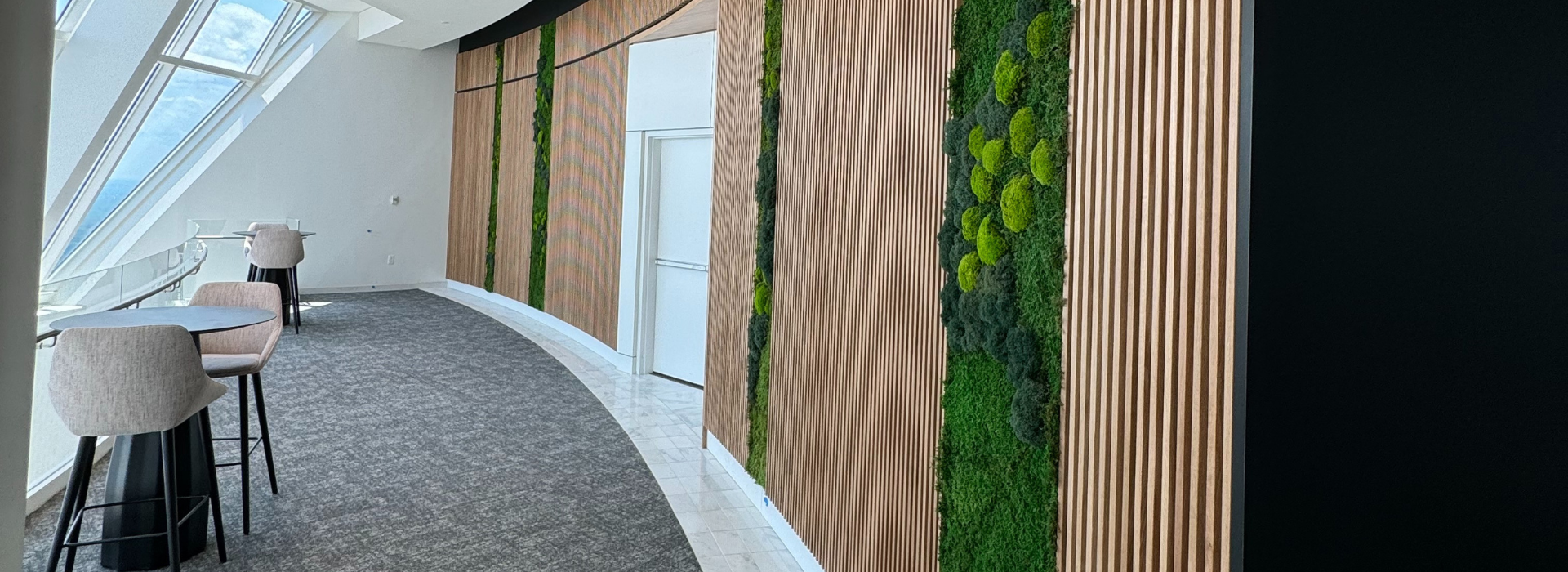
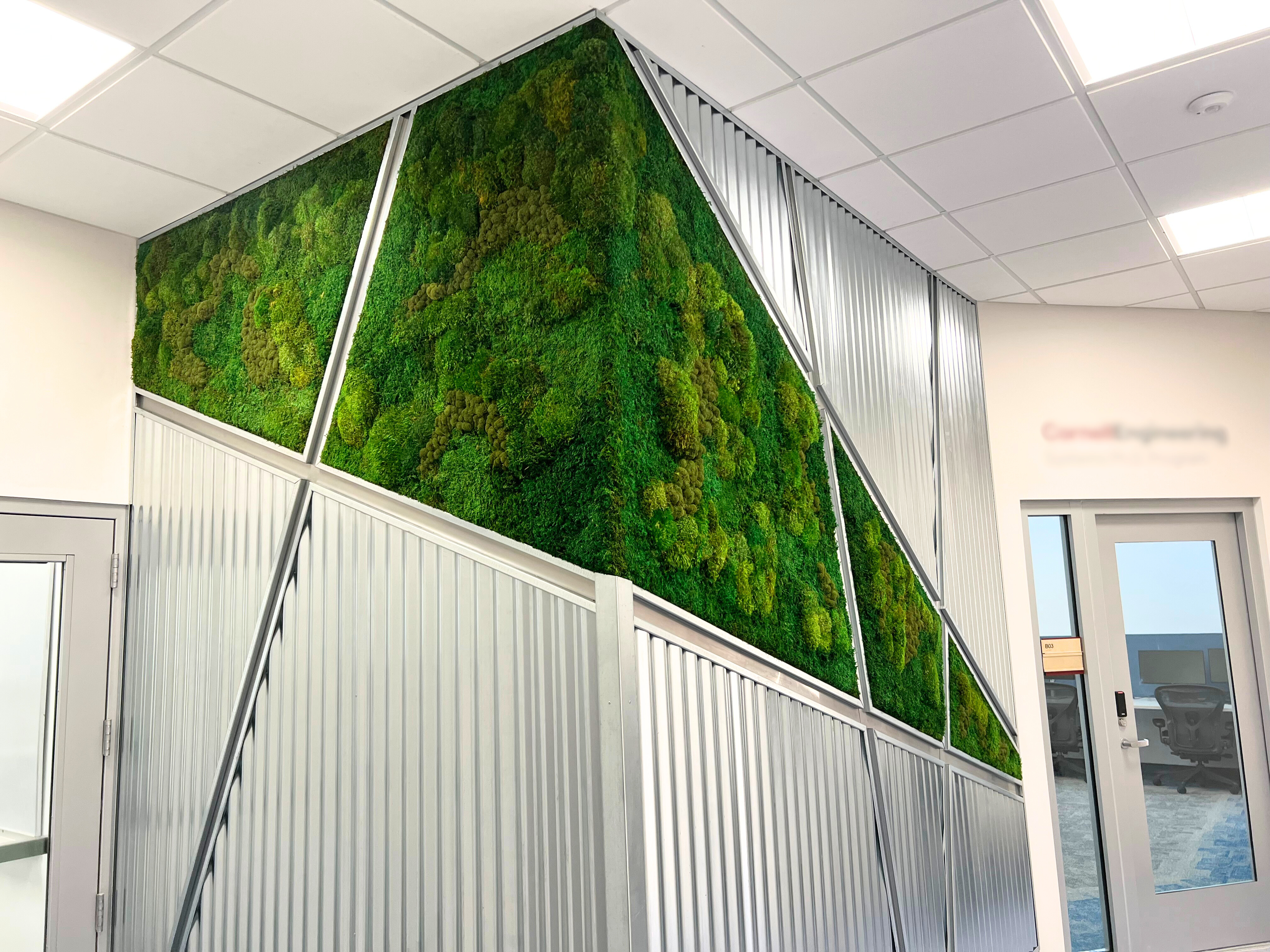
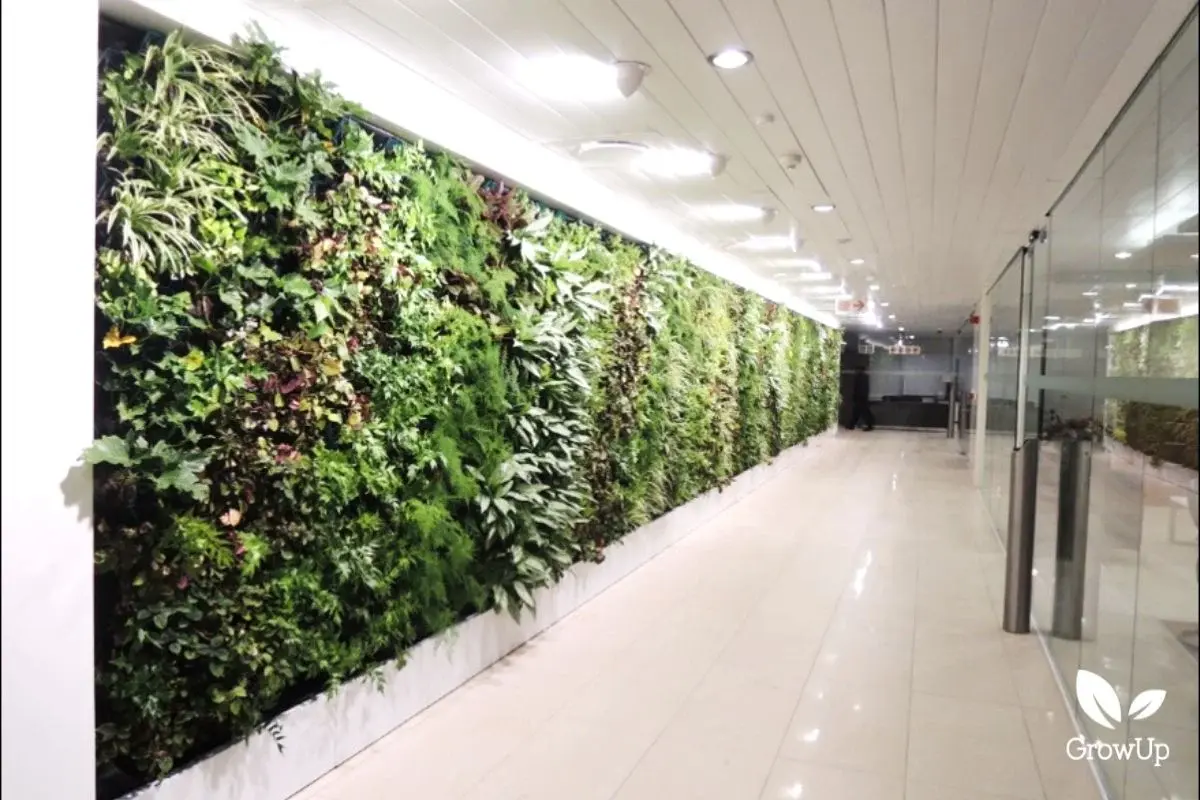
Vertical greenery has become a defining element of modern sustainable spaces. Beyond their visual appeal, green walls help soften architecture, improve indoor environments, and reconnect people with nature. Their success, however, depends on thoughtful design choices, from placement to plant selection.
Design inspiration can be seen in projects like an award-winning greenwall column, where vertical planting transforms a simple structural element into a living feature that feels organic rather than ornamental.
Careful planning also plays a key role in long-term success. Choosing suitable plant varieties based on light, airflow, and maintenance needs ensures green walls remain healthy and visually engaging over time.
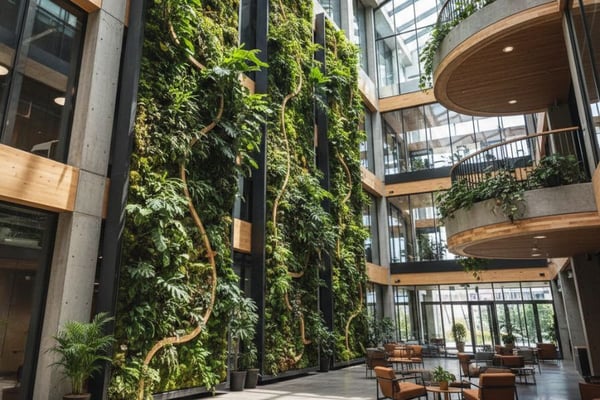
Image generated by Gemini
Custom Spaces with Lasting Purpose
Sustainable living is not one-size-fits-all. Spaces feel most sustainable when they are designed around real lifestyles, habits, and emotional needs. Artificial intelligence supports this personalization by identifying patterns and preferences, helping designers create environments that feel intuitive and long-lasting.
Custom craftsmanship reinforces this idea. Studios can demonstrate how bespoke interiors rooted in purpose and quality can reduce waste by avoiding trend-driven redesigns. When spaces are made to last, both functionally and emotionally, sustainability becomes a natural outcome.
Sustainability Beyond Walls and Greenery
Sustainable design extends into daily habits and the objects people interact with every day. Artificial intelligence quietly shapes these routines, influencing how individuals organize time, manage resources, and make more conscious choices.
This same philosophy is reflected in approaches that focus on durability and resource efficiency, such as sustainable system design that considers materials, water use, and longevity as part of the overall environmental footprint.
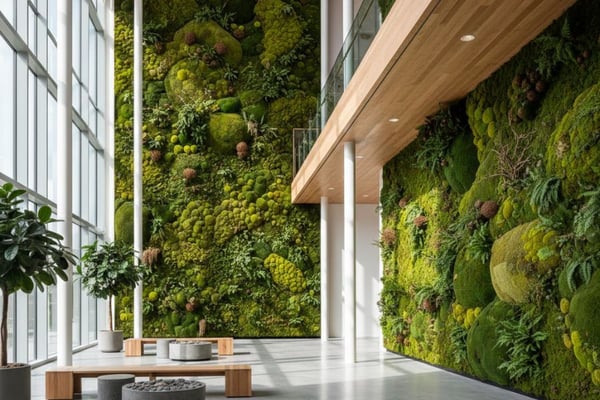
Image generated by Gemini
Designing with Awareness, Not Excess
The true value of artificial intelligence in sustainable design lies in its restraint. It works best when it remains unseen, supporting better decisions without overwhelming the space itself. This allows natural elements, thoughtful layouts, and human creativity to remain central.
A Quietly Sustainable Future
As sustainable design continues to evolve, the most meaningful innovations may be the least visible. Artificial intelligence, custom craftsmanship, and mindful material choices are shaping spaces that feel calmer, more personal, and more connected to nature.
Ultimately, sustainability isn’t about showcasing progress, it’s about creating environments that feel intentional, enduring, and deeply human.
Image generated by Gemini